
Anxiety disorders, including GAD and Social Anxiety, are treated effectively through a combination of cognitive-behavioral therapy (CBT), mindfulness practices, medication, and exposure therapy. CBT focuses on changing negative thought patterns, improving coping skills, and reducing anxiety symptoms. Medication, such as SSRIs and benzodiazepines, regulates brain chemicals to alleviate distress. Mindfulness therapies promote emotional resilience and calmness. Group therapy and exposure therapy help individuals gradually face and manage social fears. Building resilience through tailored programs is key to anxiety disorder treatment, empowering individuals to lead fulfilling lives despite challenges.
Anxiety disorders, characterized by persistent fear and worry, affect millions globally. This article offers a comprehensive guide to treating anxiety, focusing on panic disorder and various effective therapies. We explore cognitive-behavioral therapy (CBT), a evidence-based approach, and other innovative treatments. By understanding different types and symptoms, you'll gain insights into building resilience and adopting coping strategies for long-term anxiety disorder treatment success.
- Understanding Anxiety Disorder: Types and Symptoms
- Cognitive-Behavioral Therapy (CBT): A Core Approach
- Other Effective Treatments and Therapies
- Building Resilience and Coping Strategies
Understanding Anxiety Disorder: Types and Symptoms
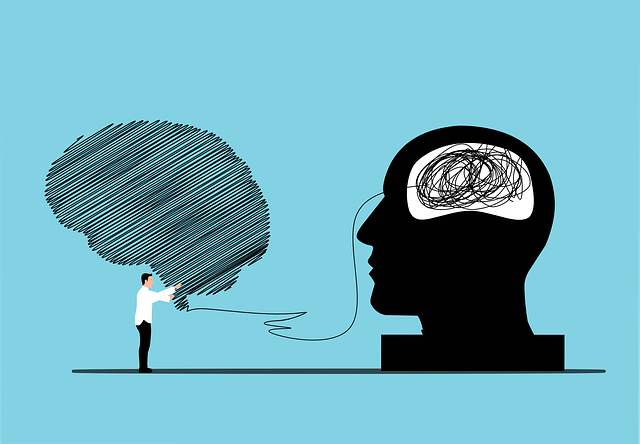
Anxiety disorders are a group of mental health conditions characterized by excessive and persistent fear or anxiety that interferes with daily living. They encompass various types, each with distinct features and symptoms. One common form is Generalized Anxiety Disorder (GAD), where individuals experience widespread worry and tension, often without any specific cause. Symptoms include restlessness, fatigue, muscle tension, and difficulty concentrating.
Social anxiety disorder, another prevalent type, involves intense fear and avoidance of social situations due to concerns about embarrassment or judgment. It can significantly impact an individual's ability to interact socially and participate in everyday activities. Effective treatments for these disorders often involve a combination of psychotherapy, such as cognitive-behavioral therapy (CBT), and sometimes medication. CBT helps individuals manage anxiety by changing unhelpful thought patterns and behaviors, ultimately leading to improved symptoms and enhanced quality of life.
Cognitive-Behavioral Therapy (CBT): A Core Approach

Cognitive-Behavioral Therapy (CBT) is a core approach in treating both anxiety disorders and panic disorder. This evidence-based method focuses on identifying and changing negative thought patterns and behaviors that contribute to symptoms of anxiety, such as social anxiety treatment challenges. By understanding how thoughts, feelings, and actions are interconnected, CBT empowers individuals to challenge and replace irrational beliefs with more realistic and positive ones, effectively reducing overall anxiety levels.
In the context of GAD treatment, CBT involves learning relaxation techniques, problem-solving skills, and coping strategies tailored to individual needs. Through structured sessions, individuals learn to recognize triggers, manage stress responses, and face fears gradually in a safe environment. This process helps build resilience against panic attacks and promotes better mental health, improving overall quality of life for those struggling with anxiety disorders.
Other Effective Treatments and Therapies

In addition to cognitive behavioral therapy (CBT), there are several other effective treatments and therapies for anxiety disorders. Medication, such as selective serotonin reuptake inhibitors (SSRIs) or benzodiazepines, can be prescribed by a healthcare provider to help manage symptoms of anxiety disorders, including panic disorder and generalized anxiety disorder (GAD). These medications work by altering the levels of certain brain chemicals that affect mood and emotions.
Mindfulness-based therapies, such as mindfulness-based stress reduction (MBSR) or mindfulness-based cognitive therapy (MBCT), have also proven effective in treating anxiety disorders. These approaches focus on helping individuals become more aware of their thoughts and feelings without judgment, fostering a greater sense of calm and resilience. Additionally, social anxiety treatment often involves group therapy or exposure therapy, which helps individuals gradually face their fears in a safe and supportive environment, ultimately reducing social avoidance and improving social interactions.
Building Resilience and Coping Strategies

Building resilience is a cornerstone of effective anxiety disorder treatment. Through tailored therapy programs, individuals learn to challenge negative thought patterns and develop healthier coping strategies. Cognitive Behavioral Therapy (CBT), for instance, equips patients with tools to identify and change distorted thinking, thereby reducing the intensity of anxious responses. By combining cognitive restructuring with exposure therapy, individuals gradually confront and overcome their fears in a safe, controlled environment, fostering resilience against future anxiety episodes.
Furthermore, learning relaxation techniques like deep breathing exercises and mindfulness meditation strengthens an individual's ability to manage stress and panic symptoms. These strategies offer immediate relief during acute anxiety attacks and empower patients to better regulate their emotional responses over time. Integrating these coping mechanisms into daily routines empowers individuals with social anxiety treatment or Generalized Anxiety Disorder (GAD) treatment, enabling them to lead more fulfilling lives despite persistent challenges.
Anxiety disorders are prevalent, but they're treatable. By understanding various types and symptoms, we can recognize when help is needed. Cognitive-Behavioral Therapy (CBT) emerges as a powerful tool, effectively managing panic attacks and addressing underlying causes. Beyond CBT, therapies like exposure therapy and mindfulness practices offer additional relief. Building resilience and coping strategies empowers individuals to lead fulfilling lives despite anxiety's challenges. With the right support, those affected can overcome their disorders, finding peace and improving their overall well-being through comprehensive anxiety disorder treatment.