
Panic disorder therapy involves a multi-faceted approach combining cognitive-behavioral therapy (CBT), exposure therapy, mindfulness techniques, and stress management. CBT targets negative thought patterns and teaches individuals to challenge distorted thinking, reducing avoidance behaviors and enhancing well-being. Exposure therapy gradually exposes patients to triggers in safe environments, while mindfulness and stress management strategies address related conditions like Generalized Anxiety Disorder (GAD) and social anxiety. Long-term recovery relies on building resilience through lifestyle changes, support systems, and ongoing therapy, emphasizing commitment and adaptability.
"Unraveling the complexities of anxiety, this article offers a comprehensive guide to treating panic disorder therapy and managing comprehensive anxiety disorders. We explore effective approaches, with a focus on Cognitive Behavioral Therapy (CBT) as a cornerstone technique. Additionally, we delve into alternative modalities, emphasizing personalized treatment for optimal results. From lifestyle adjustments to building resilience through support systems, our overview equips readers with insights for long-term recovery and improved mental well-being. Discover proven strategies for conquering anxiety and reclaiming control."
- Understanding Panic Disorder Therapy: An Overview of Effective Approaches
- Cognitive Behavioral Therapy (CBT): A Cornerstone for Treating Anxiety and Panic Disorders
- Other Therapeutic Modalities: Exploring Personalized Treatment Options
- Building Resilience: Lifestyle Changes and Support Systems for Long-Term Recovery
Understanding Panic Disorder Therapy: An Overview of Effective Approaches
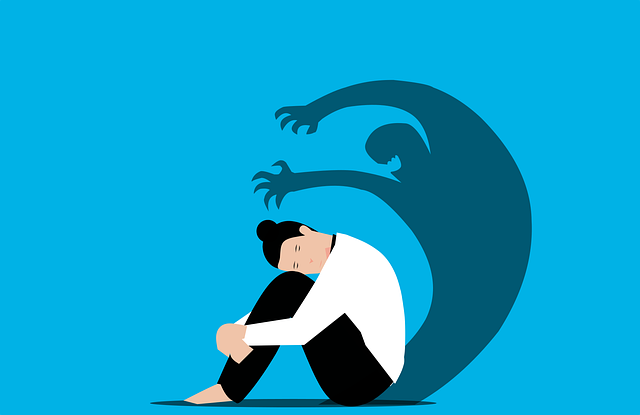
Panic disorder therapy focuses on addressing and managing intense fear and anxiety triggered by panic attacks. This approach aims to help individuals understand their symptoms, differentiate between actual danger and panic responses, and develop effective coping strategies. Cognitive-behavioral therapy (CBT), a cornerstone of panic disorder therapy, has proven highly effective in treating this condition. CBT helps patients identify and challenge negative thought patterns associated with panic attacks, teaching them relaxation techniques and behavioral activation to reduce anxiety and prevent avoidance behaviors.
Additionally, exposure therapy is another crucial component of panic disorder therapy. This involves gradual and controlled exposure to situations or triggers that induce panic, helping individuals confront their fears in a safe environment. Over time, this process reduces the intensity of panic responses and increases confidence in managing anxiety symptoms. Incorporating mindfulness techniques and stress management strategies further enhances anxiety therapy for panic disorder, offering comprehensive GAD treatment and even beneficial for social anxiety treatment by improving overall emotional regulation.
Cognitive Behavioral Therapy (CBT): A Cornerstone for Treating Anxiety and Panic Disorders

Cognitive Behavioral Therapy (CBT) serves as a cornerstone in the treatment of both panic disorder and other anxiety-related conditions, such as Generalized Anxiety Disorder (GAD) and social anxiety disorder. This evidence-based approach focuses on identifying and modifying negative thought patterns that contribute to anxious feelings and behaviors. Through CBT, individuals learn to challenge and replace distorted thinking with more realistic and balanced perspectives. Additionally, CBT equips patients with effective coping strategies to manage symptoms during panic attacks or moments of heightened anxiety.
By combining cognitive restructuring with behavioral techniques, CBT enables people to gradually expose themselves to feared situations in a safe environment. This process, known as exposure therapy, helps individuals confront their anxieties head-on and learn that their feared outcomes are unlikely to occur. As a result, CBT empowers those suffering from panic disorder and related conditions to regain control over their lives, reduce avoidance behaviors, and enhance overall well-being.
Other Therapeutic Modalities: Exploring Personalized Treatment Options
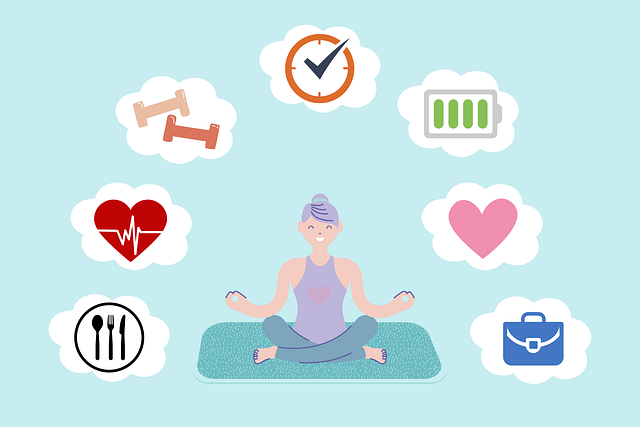
In addition to cognitive behavioral therapy (CBT), several other therapeutic modalities have proven effective in treating panic disorder and related conditions like Generalized Anxiety Disorder (GAD). These personalized treatment options cater to individual needs, ensuring a more comprehensive approach. For instance, exposure therapy gradually exposes individuals to anxiety-provoking situations, helping them manage fear responses over time. This technique is particularly beneficial for panic disorder patients who experience sudden and intense panic attacks.
Mindfulness-based interventions, such as mindfulness meditation and yoga, are also gaining recognition in anxiety therapy. These practices encourage individuals to focus on the present moment, reducing rumination and worry. For those dealing with social anxiety, group therapy sessions can provide a safe environment to practice social interactions, build confidence, and learn coping strategies from peers facing similar challenges. This holistic approach ensures that treatment is tailored to address specific fears, behaviors, and mental health needs.
Building Resilience: Lifestyle Changes and Support Systems for Long-Term Recovery

Building resilience is a key component in the long-term recovery from panic disorder therapy. Lifestyle changes play a significant role in this process. Engaging in regular physical activity, maintaining a balanced diet, and prioritizing quality sleep can significantly reduce anxiety levels and improve overall well-being. Additionally, incorporating stress management techniques like mindfulness meditation or deep breathing exercises can help individuals cope better with triggers and prevent panic attacks.
Support systems are equally vital for sustained recovery. Connecting with loved ones, joining support groups, or seeking counseling from mental health professionals all contribute to fostering a strong network of support. These connections provide encouragement, understanding, and practical advice, helping individuals navigate challenges and maintain their progress in anxiety therapy. Remember, building resilience is an ongoing process that requires commitment and the willingness to adapt strategies as needed.
Panic disorder therapy offers a comprehensive approach to managing symptoms and improving quality of life. By combining evidence-based methods like Cognitive Behavioral Therapy with personalized therapeutic options, individuals can effectively navigate their anxiety and recover. Incorporating lifestyle changes and supportive systems further enhances long-term recovery, enabling folks to embrace a more balanced and fulfilling life. Remember that, in the context of panic disorder therapy, personalized treatment tailored to individual needs is key to success.