
Anxiety disorder treatment involves a comprehensive approach including diagnosis by mental health professionals using DSM criteria. Tailored therapies like cognitive-behavioral therapy (CBT) and exposure therapy, combined with relaxation techniques, significantly reduce symptoms of panic disorder, generalized anxiety disorder (GAD), and social anxiety. Group therapy, mindfulness meditation, and building resilience through evidence-based strategies further enhance long-term recovery, improving quality of life for those managing these conditions.
Anxiety disorders, encompassing comprehensive anxiety and panic disorders, significantly impact individuals' daily lives. Understanding these conditions is crucial for effective treatment. This article delves into the symptoms, diagnosis, and a range of treatment options, from therapy techniques to long-term management strategies. We explore evidence-based approaches designed to help individuals overcome anxiety and lead fulfilling lives. Discover how personalized therapy programs can provide lasting relief and enhance overall well-being through comprehensive anxiety disorder treatment.
- Understanding Anxiety Disorder: Symptoms and Diagnosis
- Effective Treatment Approaches for Overcoming Anxiety
- Targeting Panic Disorders: Therapy Techniques and Support
- Building Resilience: Long-term Management Strategies
Understanding Anxiety Disorder: Symptoms and Diagnosis
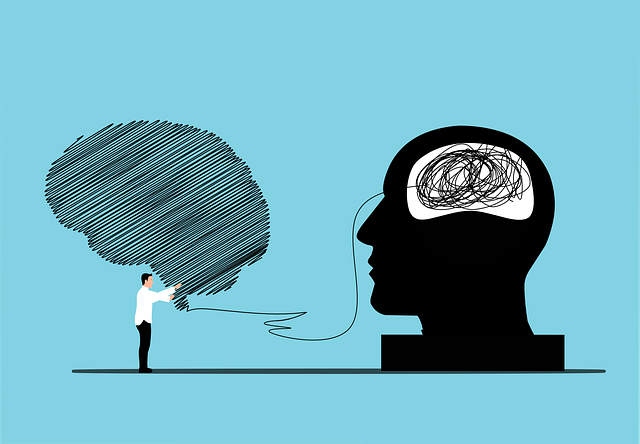
Anxiety disorder treatment is a crucial aspect of managing and overcoming conditions such as panic disorder and social anxiety. Understanding the nature of these disorders is the first step in finding effective therapy programs. Anxiety disorders are characterized by persistent, excessive, and intrusive worry or fear that significantly impacts daily functioning. Symptoms can include rapid heartbeat, sweating, trembling, shortness of breath, and a feeling of impending doom. These physical sensations, often accompanied by cognitive distortions, can lead to avoidance behaviors, further exacerbating the condition.
Diagnosis typically involves a comprehensive evaluation by a qualified mental health professional. They will assess the severity and duration of symptoms, their impact on daily life, and any co-occurring disorders. The Diagnostic and Statistical Manual (DSM) provides standardized criteria for identifying specific anxiety disorders, ensuring consistent and accurate diagnosis. With proper identification, individuals can access tailored anxiety therapy, such as cognitive-behavioral therapy (CBT), which has proven effective in managing GAD and panic disorder symptoms, addressing underlying causes, and providing long-lasting coping strategies.
Effective Treatment Approaches for Overcoming Anxiety

Overcoming anxiety disorders requires a multifaceted approach, and several effective treatment methods have proven successful in managing symptoms and enhancing overall well-being. Cognitive Behavioral Therapy (CBT) is a widely recognized and powerful tool for treating anxiety disorders, including Generalized Anxiety Disorder (GAD) and Social Anxiety Disorder. CBT focuses on identifying and changing negative thought patterns and behaviors, teaching individuals coping strategies to manage their anxiety. This therapy empowers patients to challenge their fears and avoidance behaviors, gradually exposing them to stressful situations in a controlled manner.
Additionally, Exposure Therapy is another highly effective technique, particularly for panic disorder. It involves systematic exposure to feared stimuli or situations, allowing individuals to confront their anxieties directly. By facing their fears repeatedly, patients learn that their anticipated worst-case scenarios rarely occur, thus reducing anxiety and panic responses over time. This therapy, combined with relaxation techniques, such as deep breathing exercises, can significantly improve symptoms of both GAD and panic disorder, offering lasting relief for those seeking anxiety disorder treatment.
Targeting Panic Disorders: Therapy Techniques and Support
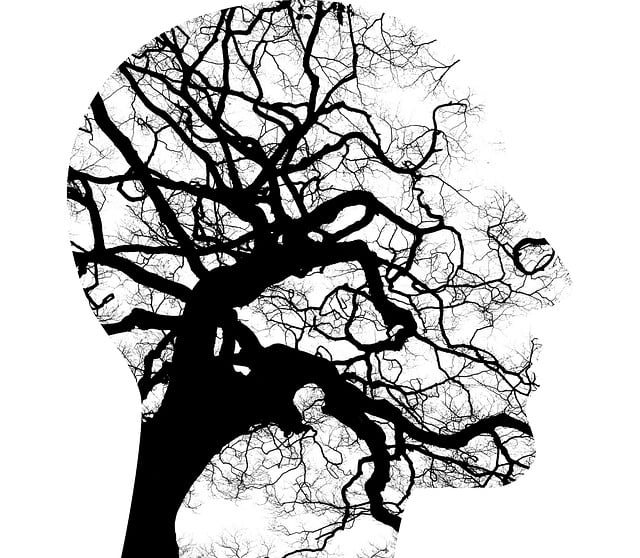
Panic disorders are characterized by recurrent and unexpected panic attacks, leaving individuals with a persistent fear of future episodes. Therapy for panic disorder focuses on understanding and managing these intense moments of fear. Cognitive-behavioral therapy (CBT) is a widely recognized approach, helping patients identify and challenge negative thought patterns associated with panic attacks. Through structured exposure therapy, individuals gradually confront situations feared of triggering a panic attack, allowing them to gain control and reduce anxiety over time. This process empowers patients to face their fears head-on.
Supportive techniques such as breathing exercises and mindfulness meditation are integral components of panic disorder therapy. Learning relaxation strategies enables individuals to calm themselves during or after a panic attack. Additionally, group therapy provides a safe space for sharing experiences, fostering a sense of community, and offering peer support—all vital aspects of effective anxiety disorder treatment. These therapeutic methods combined can significantly improve symptoms and enhance overall well-being for those struggling with panic disorders, including social anxiety and generalized anxiety disorder (GAD).
Building Resilience: Long-term Management Strategies

Building resilience is a key component of long-term management strategies for anxiety disorders, such as generalized anxiety disorder (GAD) and social anxiety treatment. By fostering adaptability and emotional strength, individuals can better cope with stressful situations and reduce the impact of anxiety symptoms over time. Anxiety therapy programs often incorporate techniques like cognitive behavioral therapy (CBT), mindfulness practices, and gradual exposure to feared scenarios to help clients develop healthier thinking patterns and responses.
Through consistent practice, these strategies enable individuals to navigate triggers more effectively, enhancing their overall well-being. The goal is not just to manage symptoms but to empower individuals with the tools needed for sustained recovery. By integrating evidence-based techniques into daily life, those seeking anxiety disorder treatment can build resilience, leading to improved quality of life and greater autonomy in managing their conditions effectively.
Anxiety disorders, whether generalized or focused on panic attacks, can significantly impact daily life. However, with comprehensive approaches that combine therapy, coping strategies, and long-term management techniques, individuals can effectively overcome these challenges. By understanding symptoms, seeking professional help, and adopting resilient mindsets, those affected can lead fulfilling lives free from anxiety's hold. Effective treatments, such as cognitive-behavioral therapy (CBT) and mindfulness practices, offer tangible tools to manage and reduce anxiety symptoms over time.