
Panic disorder therapy combines cognitive-behavioral therapy (CBT), mindfulness practices, group support, and exposure therapy to combat panic attacks and associated fears. CBT targets negative thought patterns and behaviors, teaching individuals coping strategies for managing anxiety in daily life, including Generalized Anxiety Disorder (GAD) treatment. Personalized care ensures effective panic disorder therapy by customizing approaches to individual needs, fostering empowerment and confidence in recovery.
"Discover effective strategies for managing comprehensive anxiety disorders, including panic disorder therapy. This article guides you through various therapeutic approaches, highlighting Cognitive-Behavioral Therapy (CBT) as a cornerstone of successful treatment. Explore other evidence-based methods and understand the significance of personalized care in navigating recovery. By delving into these topics, we aim to unlock resources for those seeking relief from anxiety disorders, offering insights into tailored support and improved well-being."
- Understanding Panic Disorder Therapy: Unlocking the Path to Relief
- Cognitive-Behavioral Therapy (CBT): A Cornerstone of Effective Treatment
- Other Evidence-Based Approaches for Comprehensive Anxiety Disorders
- Personalized Care and Support: Navigating Recovery with Empathy
Understanding Panic Disorder Therapy: Unlocking the Path to Relief
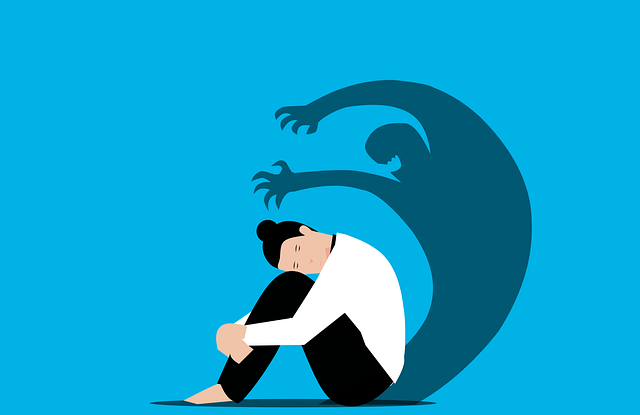
Panic disorder therapy is a specialized form of psychological treatment designed to help individuals manage and overcome panic attacks and associated fears. This therapeutic approach aims to unlock the root causes behind panic disorders, which often involve complex interactions of genetic predisposition, environmental triggers, and cognitive distortions. By delving into these underlying factors, anxiety therapy facilitates a profound shift in an individual's perception and response to panic-inducing situations.
Through various evidence-based techniques, such as cognitive-behavioural therapy (CBT), individuals learn to challenge negative thought patterns, gradually expose themselves to feared scenarios, and develop effective coping strategies. This process empowers them to navigate life with greater confidence and resilience, reducing the overwhelming nature of panic attacks and symptoms of social anxiety treatment needs. Effective panic disorder therapy offers a path to relief, enabling individuals to reclaim control over their lives and foster a sense of calm amidst chaos.
Cognitive-Behavioral Therapy (CBT): A Cornerstone of Effective Treatment

Cognitive-Behavioral Therapy (CBT) is a cornerstone of effective treatment for both panic disorder and social anxiety treatment. This evidence-based approach focuses on identifying and modifying negative thought patterns and behaviors that contribute to anxiety symptoms. By understanding the connection between thoughts, feelings, and actions, individuals can learn to challenge distorted beliefs and replace them with more realistic, balanced perspectives. CBT also equips people with coping strategies to manage panic attacks and reduce avoidance behaviors associated with fear of future episodes.
Through structured sessions, patients work collaboratively with therapists to set achievable goals and track progress. The process involves learning relaxation techniques, exposure therapy to confront fears in a safe environment, and re-structuring maladaptive thinking. This holistic approach not only targets the specific symptoms of panic disorder but also empowers individuals with long-lasting tools for managing their anxiety in various aspects of life, including GAD treatment.
Other Evidence-Based Approaches for Comprehensive Anxiety Disorders

In addition to cognitive behavioral therapy (CBT), several other evidence-based approaches have proven effective in managing comprehensive anxiety disorders, including panic disorder therapy. Mindfulness-based interventions, such as mindfulness meditation and yoga, teach individuals to focus on the present moment, reducing rumination and worry. These practices not only lower anxiety but also improve overall well-being by fostering a sense of calm and acceptance.
Group therapy is another powerful tool in anxiety therapy, offering a supportive environment where individuals can share experiences, learn from one another, and develop coping strategies collectively. This collaborative approach is especially beneficial for social anxiety treatment, as it helps to normalize feelings of fear and isolation. Additionally, exposure therapy gradually exposes individuals to anxious situations in a safe setting, helping them overcome fears and reduce avoidance behaviors, which is particularly effective for panic disorder therapy.
Personalized Care and Support: Navigating Recovery with Empathy

Personalized Care and Support play a pivotal role in effectively treating comprehensive anxiety disorders, especially Panic Disorder. Every individual's journey to recovery is unique, shaped by their personal experiences and triggers. Therefore, tailored therapy programs are essential. These programs acknowledge that what works for one person might not work for another, ensuring empathy and understanding throughout the process.
Therapeutic approaches like cognitive-behavioral therapy (CBT), a popular panic disorder therapy method, are adaptable. CBT helps individuals identify and change negative thought patterns and behaviors contributing to anxiety. The same approach can be customized to address specific fears, phobias, or social anxiety issues within a broader GAD treatment framework. Supportive environments, coupled with personalized strategies, empower patients to navigate their recovery paths with confidence and resilience.
Panic disorder therapy, particularly through evidence-based approaches like Cognitive-Behavioral Therapy (CBT), offers a proven path to managing comprehensive anxiety disorders. By combining personalized care with empathy, individuals can effectively navigate their recovery journey, unlocking lasting relief and improved quality of life. These programs cater to the unique needs of each person, ensuring they receive the best possible support in their battle against anxiety.