
Anxiety disorder treatment leverages multi-faceted approaches, combining cognitive-behavioral therapy (CBT), exposure therapy, mindfulness techniques, and relaxation strategies to empower individuals in managing conditions like Generalized Anxiety Disorder (GAD) or social anxiety. Programs start with assessment, incorporate tailored interventions, group support, and medication management, focusing on long-term recovery. Post-treatment, self-care practices, understanding root causes, and consistent therapy sessions are crucial for preventing relapses and maintaining mental health.
Anxiety disorders affect millions, yet understanding effective treatment options remains crucial. This comprehensive guide explores strategies for managing both anxiety and panic disorders. From recognizing symptoms and causes to delving into specialized therapy approaches and step-by-step recovery paths, we provide insights for a holistic healing journey. Learn about long-term management techniques that empower you to maintain mental well-being beyond therapy, focusing on evidence-based practices for lasting relief and improved quality of life. Discover the path to living freely from anxiety.
- Understanding Anxiety Disorder Treatment: Unveiling Effective Strategies
- Recognizing Panic Disorder: Symptoms, Causes, and Therapy Approaches
- Comprehensive Therapy Programs: A Step-by-Step Guide to Recovery
- Long-Term Management and Prevention: Empowering Yourself Beyond Therapy
Understanding Anxiety Disorder Treatment: Unveiling Effective Strategies
Understanding Anxiety Disorder Treatment: Unveiling Effective Strategies
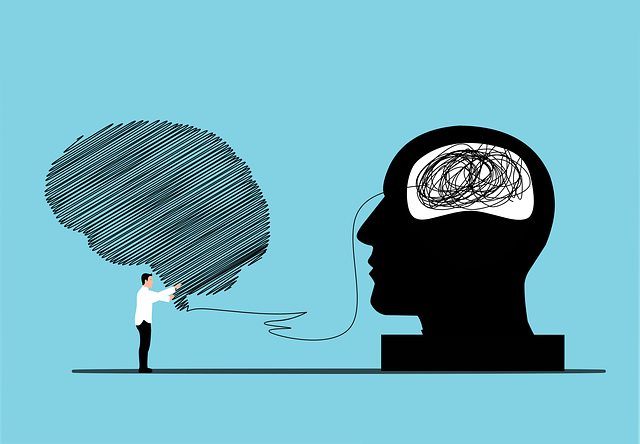
Anxiety disorder treatment is a comprehensive approach designed to help individuals manage and overcome their symptoms. It often involves a combination of psychological therapies, such as cognitive-behavioral therapy (CBT) for anxiety disorders like Generalized Anxiety Disorder (GAD) or social anxiety disorder. CBT helps patients identify and challenge negative thought patterns, ultimately reducing anxious feelings and behaviors. Other effective strategies include exposure therapy, which gradually exposes individuals to feared situations in a safe environment, enabling them to confront and manage their panic attacks and anxiety responses.
Anxiety therapy focuses on empowering individuals with coping mechanisms and skills to navigate and reduce anxiety-provoking situations. It encourages self-awareness and provides tools for stress management, relaxation, and mindfulness. By combining these evidence-based methods, professionals tailor treatments to address specific needs, ensuring a more effective journey towards recovery and improved quality of life.
Recognizing Panic Disorder: Symptoms, Causes, and Therapy Approaches

Panic disorder is a type of anxiety disorder characterized by recurrent and unexpected panic attacks, which are intense periods of fear accompanied by physical symptoms such as rapid heartbeat, sweating, trembling, and shortness of breath. These episodes can occur at any time and place, often leaving individuals with a persistent fear of having future attacks, which can significantly impact daily life.
The causes of panic disorder are multifaceted, including genetic predisposition, neurobiological factors, environmental stressors, and previous traumatic experiences. Social anxiety treatment techniques, such as cognitive-behavioral therapy (CBT), have proven effective in addressing the underlying thoughts and behaviors that contribute to panic attacks. CBT helps individuals challenge negative thought patterns and learn coping strategies to manage their symptoms. Additionally, anxiety therapy focuses on teaching relaxation techniques and mindfulness practices to reduce the physical manifestations of fear. GAD treatment may also involve medication, lifestyle changes, and alternative therapies tailored to each person's unique needs.
Comprehensive Therapy Programs: A Step-by-Step Guide to Recovery

Comprehensive therapy programs offer a structured approach to overcoming anxiety disorders, providing individuals with the tools and strategies needed for long-term recovery. This step-by-step process typically begins with an initial assessment where therapists evaluate the severity of symptoms and identify specific triggers. Following this, tailored interventions are implemented, focusing on cognitive behavioral therapy (CBT), mindfulness practices, and relaxation techniques to manage anxiety and panic attacks.
Through a combination of individual therapy sessions, group support, and sometimes medication management, these programs address the physical, emotional, and psychological aspects of anxiety disorders. The journey begins with learning to identify and challenge negative thought patterns and beliefs, often at the root of social anxiety or generalized anxiety disorder (GAD). As patients progress, they develop coping mechanisms and acquire skills to navigate triggers effectively, fostering a sense of control and empowerment.
Long-Term Management and Prevention: Empowering Yourself Beyond Therapy
After completing an anxiety disorder treatment program, the focus should shift to long-term management and prevention. This doesn't mean that the work is done; rather, it's about empowering yourself to maintain a sense of control and well-being in the face of ongoing challenges. Many people find that combining regular self-care practices with continued therapy sessions helps to keep symptoms at bay. This can include mindfulness techniques, stress management strategies, and social support networks.
Additionally, recognizing and understanding the root causes of your anxiety—whether it's due to GAD (generalized anxiety disorder) or social anxiety—is crucial for long-term success. By addressing these underlying factors, you gain a deeper sense of resilience and self-awareness. This proactive approach not only prevents future episodes but also equips you with the tools needed to navigate life's stressors more effectively. Remember, consistent practice and a growth mindset are key to sustaining recovery and overall mental health.
Anxiety disorder treatment, encompassing both comprehensive therapy programs and targeted panic disorder therapy, offers hope for those struggling with these conditions. By understanding effective strategies, recognizing symptoms, and adhering to structured step-by-step guides, individuals can achieve significant recovery. Beyond therapy, long-term management and prevention techniques empower individuals to take control of their mental health, fostering resilience against anxiety disorders in the digital era.